
Top 8 Senior Angular Developer Interview Questions

Introduction to Senior Angular Developer Interviews
When it comes to hiring a Senior Angular Developer, the stakes are high. As businesses increasingly rely on dynamic and efficient web applications, finding the right candidate is crucial. The interview process can be daunting for both candidates and employers alike. So how do you ensure that you’re asking the right questions to gauge a developer’s expertise?
In this blog post, we’ll explore the top eight Senior Angular Developer Interview Questions that can help uncover a candidate’s skills and experience in this powerful framework. Whether you’re an interviewer looking to refine your questioning technique or a developer preparing for your next opportunity, these insights will guide you in making informed decisions. Let’s dive into the world of Angular!
What is your experience with Angular, and how does it relate to handling Senior Angular Developer Interview Questions in real-world projects?
When asked about experience with Angular, the candidate should highlight specific projects. Discussing hands-on involvement is key. Mention frameworks and libraries utilized alongside Angular.
It’s important to touch on the version of Angular used as well. The shift from AngularJS to newer versions brought many changes that impact development practices. Candidates should express familiarity with these updates.
Real-world applications of Angular can also showcase problem-solving skills. Sharing challenges faced during project implementation adds value to their experience.
A discussion about collaboration within teams or contributions to open-source projects demonstrates not just technical expertise but also community involvement in the Angular ecosystem. This paints a fuller picture of the candidate’s capabilities and commitment to continuous learning in this ever-evolving field.

How do you handle complex data structures in Angular, especially when answering Senior Angular Developer Interview Questions related to application scalability and performance?
Handling complex data structures in Angular requires a strategic approach. Start by leveraging reactive programming, particularly with Observables from RxJS. This allows for efficient management of asynchronous data streams.
Utilize services to encapsulate logic related to data manipulation. By creating dedicated services, you can maintain clean separation between your components and business logic. This enhances code reusability and makes it easier to manage changes.
When dealing with nested objects or arrays, consider using Angular’s powerful built-in pipes or custom pipes for transformation and presentation. They streamline the way data is displayed without cluttering your component’s code.
Don’t forget about state management solutions like NgRx or Akita if your application scales significantly. These tools help maintain consistent states across complex applications while simplifying interactions with various parts of the app.
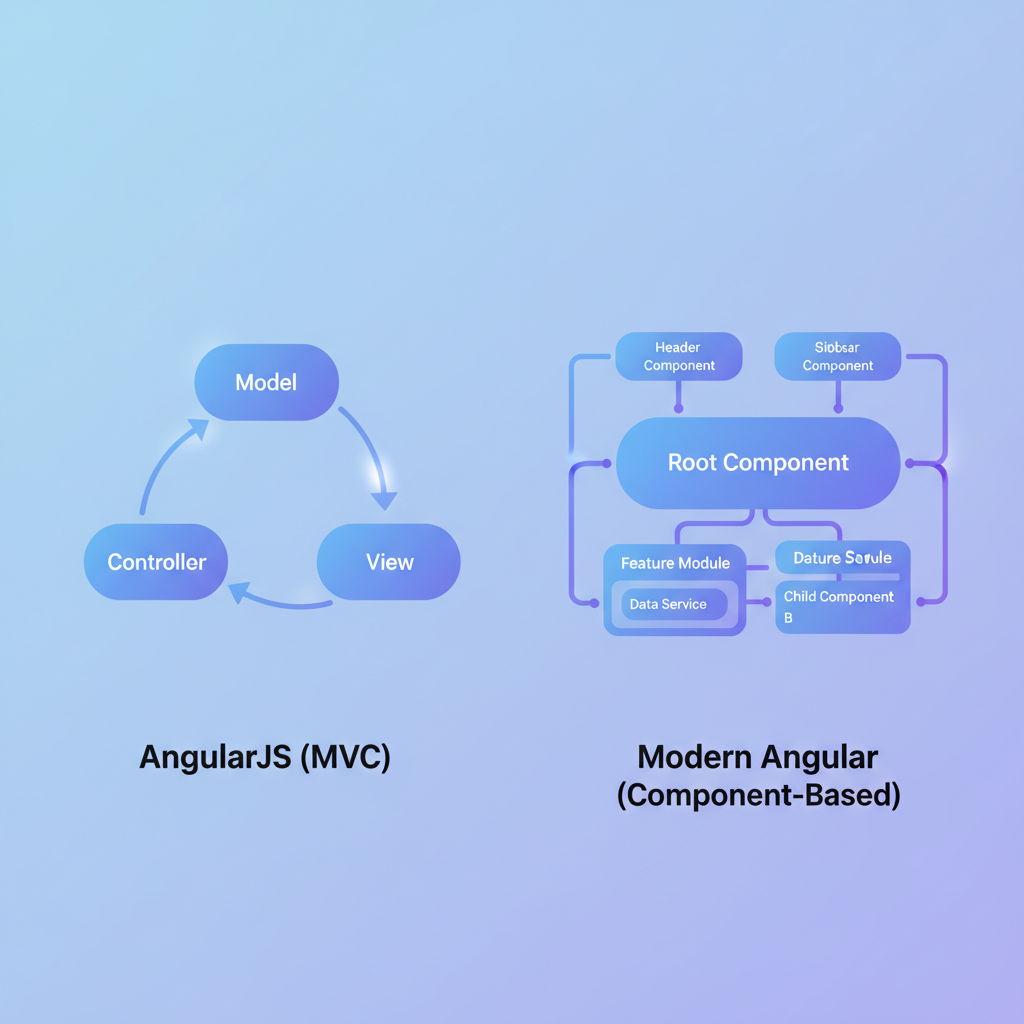
Can you explain the difference between AngularJS and Angular, as this is one of the most commonly asked Senior Angular Developer Interview Questions?
AngularJS and Angular are often confused, but they cater to different programming paradigms. AngularJS is the original version, built on JavaScript. It uses a Model-View-Controller (MVC) architecture, which was revolutionary at its release.
On the other hand, Angular (versions 2 and above) represents a complete rewrite. This framework leverages TypeScript, enhancing scalability and performance for larger applications. The component-based architecture allows developers to create reusable components more efficiently.
Another key difference lies in data binding. While AngularJS employs two-way data binding, Angular promotes one-way data flow with reactive programming principles using RxJS.
Additionally, routing has evolved significantly from AngularJS to Angular. The latter provides a more powerful router that supports lazy loading and improved modularity for better organization of codebases. Understanding these differences is crucial when evaluating which framework best fits your project needs or client requirements.
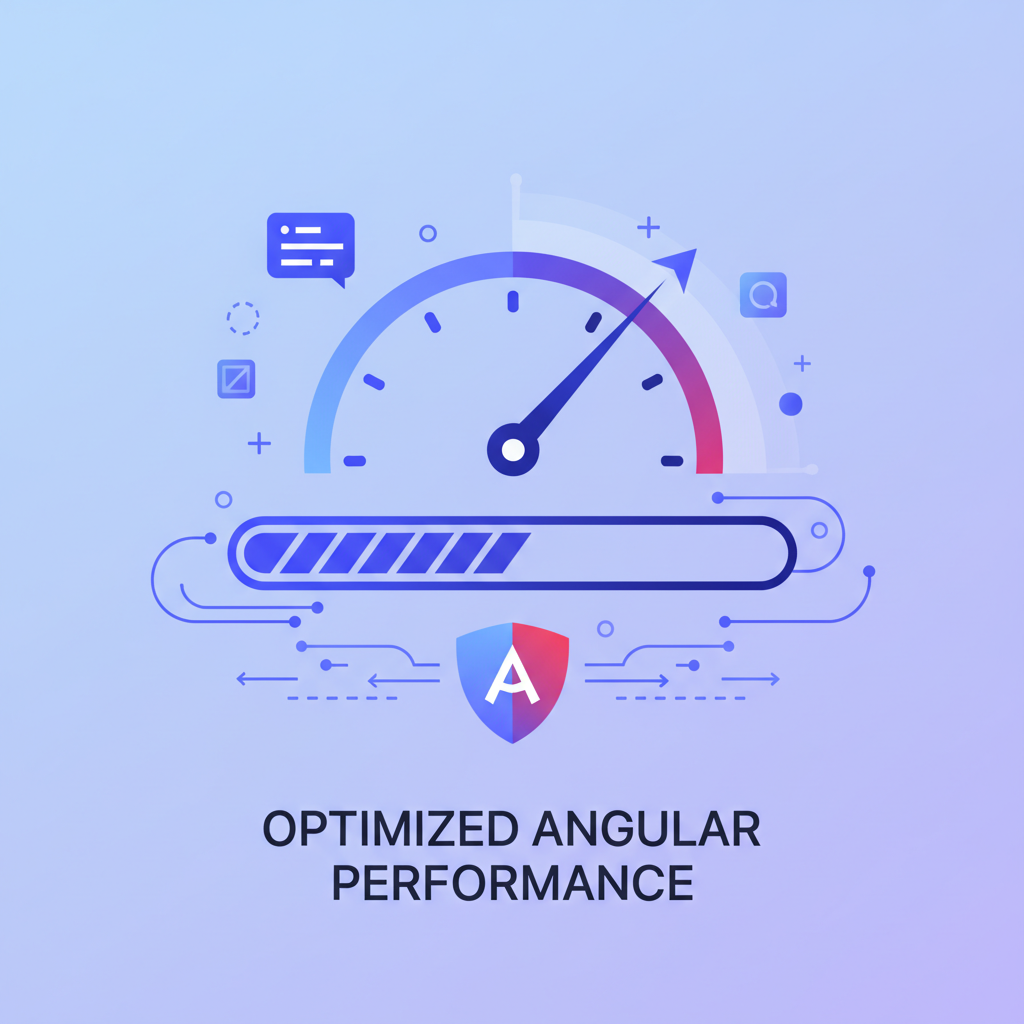
How do you optimize performance in an Angular application, a topic frequently covered in Senior Angular Developer Interview Questions?
| Feature / Aspect | AngularJS | Angular (2+) |
| Language | JavaScript | TypeScript |
| Architecture | MVC (Model–View–Controller) | Component-based architecture |
| Performance | Slower due to digest cycle | Faster with ahead-of-time compilation |
| Data Binding | Two-way data binding | One-way + optional two-way via RxJS |
Optimizing performance in an Angular application is crucial for delivering a smooth user experience. One key strategy is to utilize lazy loading. This technique allows you to load feature modules only when they are needed, reducing the initial load time.
Another effective method involves change detection strategies. By using `OnPush`, Angular only checks components when input properties change, minimizing unnecessary re-renders.
You can also leverage Ahead-of-Time (AOT) compilation. AOT compiles your app during build time rather than runtime, leading to faster loading and execution speeds.
Additionally, consider implementing trackBy in ngFor loops. This helps Angular identify which items have changed, improving rendering efficiency by preventing the recreation of DOM elements unnecessarily.
Optimizing images and other assets ensures that your application loads quickly without compromising quality or functionality.

Have you ever implemented unit testing in an Angular project, and how does this experience help you answer Senior Angular Developer Interview Questions on code quality and reliability?
Unit testing is a critical aspect of developing robust Angular applications. It ensures that individual components function correctly, leading to a more reliable overall application.
Unit testing is a crucial aspect of any Angular project, and your experience with it can significantly shape your responses to Senior Angular Developer Interview Questions. Having implemented unit tests in previous projects provides you with practical insights into maintaining code quality and reliability.
When discussing unit testing during interviews, be prepared to share specific examples from your past experiences. Talk about the frameworks you’ve used, such as Jasmine or Karma, and how they helped you identify bugs early in the development process. Highlight the importance of writing testable code and how it aligns with best practices for maintainability.
Additionally, convey how implementing unit tests has not only improved the robustness of applications but also fostered a culture of accountability within teams. This experience demonstrates that you’re committed to delivering high-quality software while reducing technical debt over time.
Being able to articulate these points effectively will enhance your credibility as a candidate. It shows that you’re well-versed in creating scalable applications through solid testing practices—a key consideration for many hiring managers looking for senior developers who can lead by example.
When asked about experience with unit testing in an Angular project, the ideal candidate should explain their familiarity with tools like Jasmine and Karma. These frameworks are commonly used for writing and running tests in Angular.
A strong response would include specific examples from past projects. Candidates might discuss how they structured their tests to cover various scenarios or how they integrated testing into their development workflow.
Attention to detail matters here. Highlighting how they ensured test coverage can showcase deep understanding and commitment to quality code.
Discussing any challenges faced while implementing unit tests—and how those were addressed—can provide insight into problem-solving skills and adaptability within a team environment.
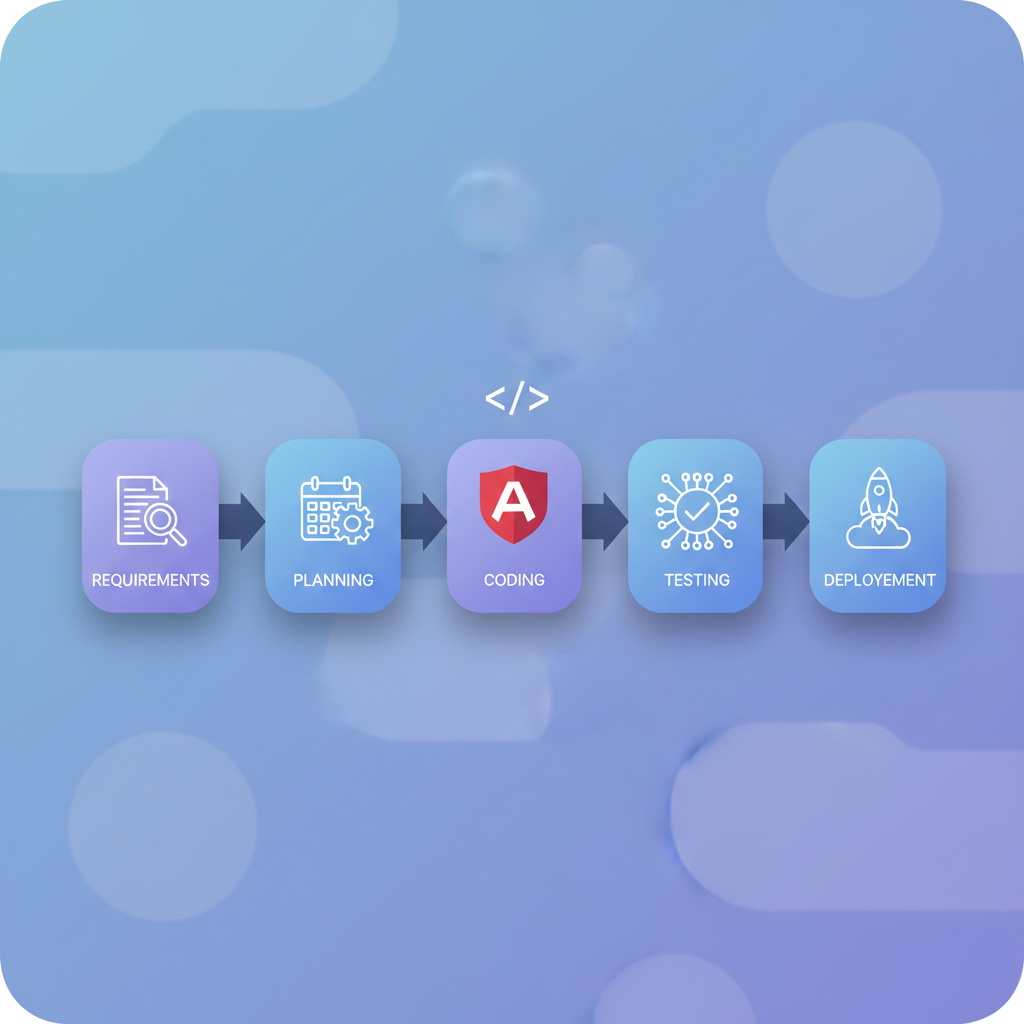
Question 6: Can you walk us through your process
Question 6: Can you walk us through your process?
A senior Angular developer’s process can be intricate and varies from project to project. However, a solid approach typically involves several key phases. First, understanding the requirements is crucial. This means collaborating with stakeholders to gather insights and clarify goals.
Once the requirements are clear, planning comes into play. Creating a roadmap helps in visualising how features will be implemented over time. It’s during this stage that developers often break down tasks into manageable pieces.
Next, setting up the environment is essential for an efficient workflow. This includes configuring tools like Angular CLI, ensuring version control systems are in place, and establishing coding standards within the team.
After setting everything up, development kicks off with building components and services following best practices such as modularisation and dependency injection. Regular code reviews during this phase help maintain quality across the board.
Testing should not be overlooked at any stage of development. Unit tests ensure individual functions work correctly while integration testing checks if components collaborate seamlessly together.
Deployment requires careful attention to optimize builds for production environments along with monitoring application performance post-launch.
This well-rounded approach reflects not only technical skills but also effective communication and collaboration—key traits of a successful senior Angular developer navigating complex projects smoothly.
